it is my primal scene as a writer because I am still stuck there: stuck with Alice in the wool shop with the White Queen who has turned into a sheep who is bleating…
Read More
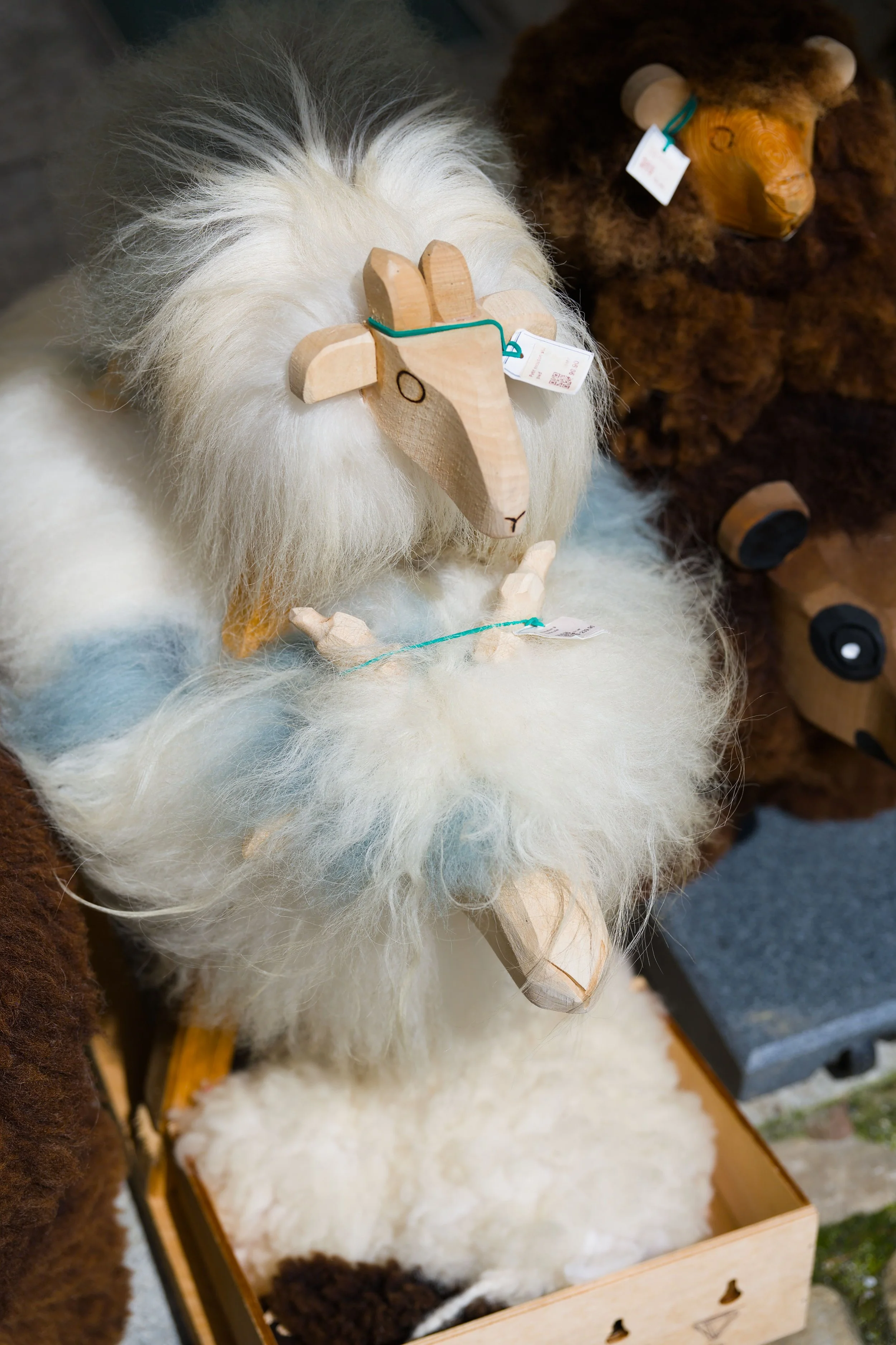
it is my primal scene as a writer because I am still stuck there: stuck with Alice in the wool shop with the White Queen who has turned into a sheep who is bleating…
Read MoreI am always telling my students to read and reread. Re-reading is essential; we must move through the layers of language in order to reach home…
Read MoreThose two bottles in the centre of the sentence are a mother and child. They are so perfectly neat, inseparable, identical, a union of two forms. Say it out loud….
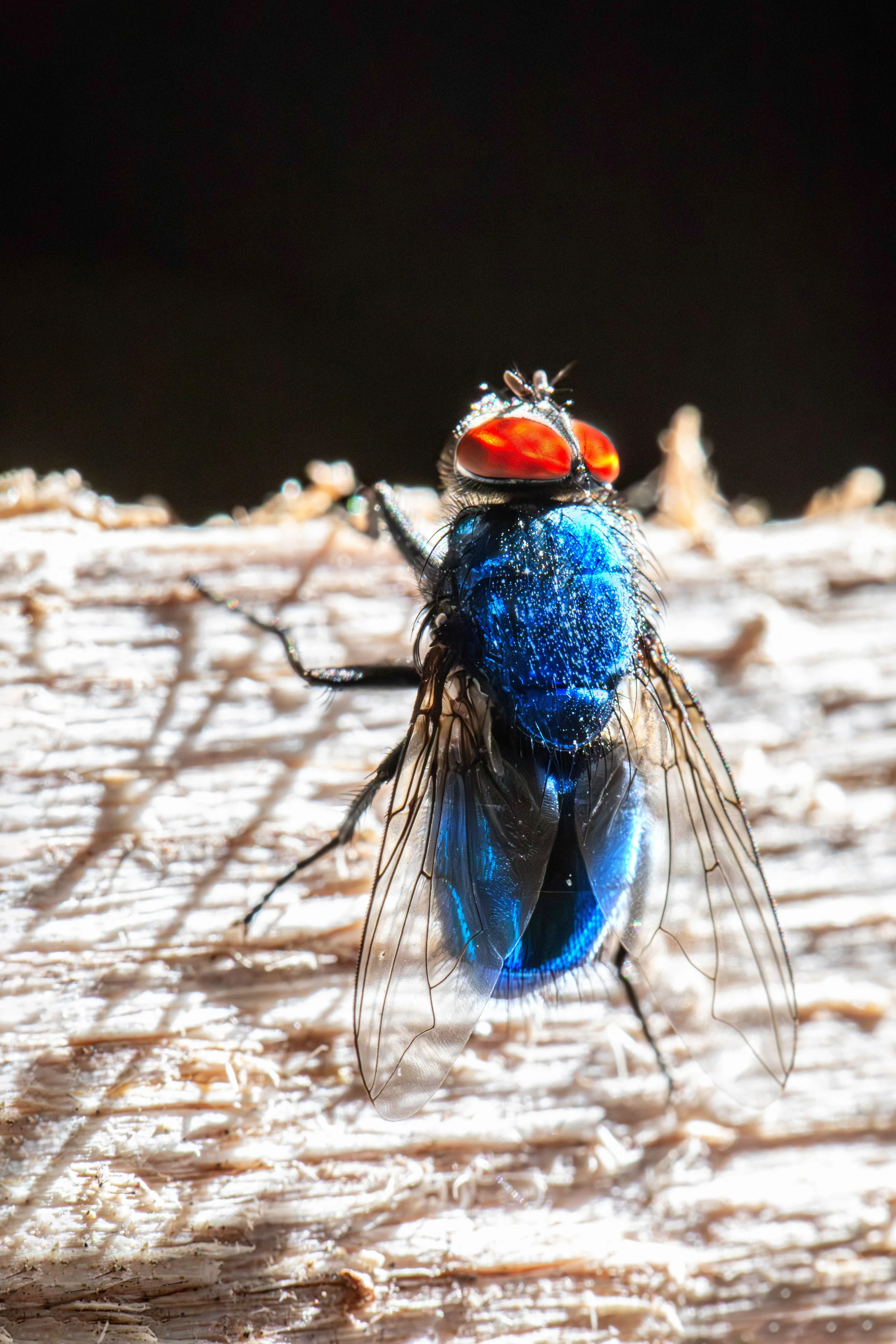
Read MoreGeorge Bowling’s insect-memory is filled with the sound of buzzing. That buzzing sound begins in the kitchen, accompanied by the smell of bins. I am reminded of Joni Mitchell’s wonderful line to a wonderful song, ‘The hissing of summer lawns…
Read MoreKnowledge can settle in through experience; it isn’t the only way to know something, but perhaps we see something more clearly through a framed perspective…
Read MoreArt is rarely right; it is built upon mistakes, trials and errors, crossings-out, doubt and uncertainty. No reaching after irritable fact and reason as Keats put it in his famous definition of negative capability…
Read MoreHow do you enter into a story that is strange and foreign? How do you make yourself at home within a strange sentence, a strange culture? Most of us cling to signs and symbols…
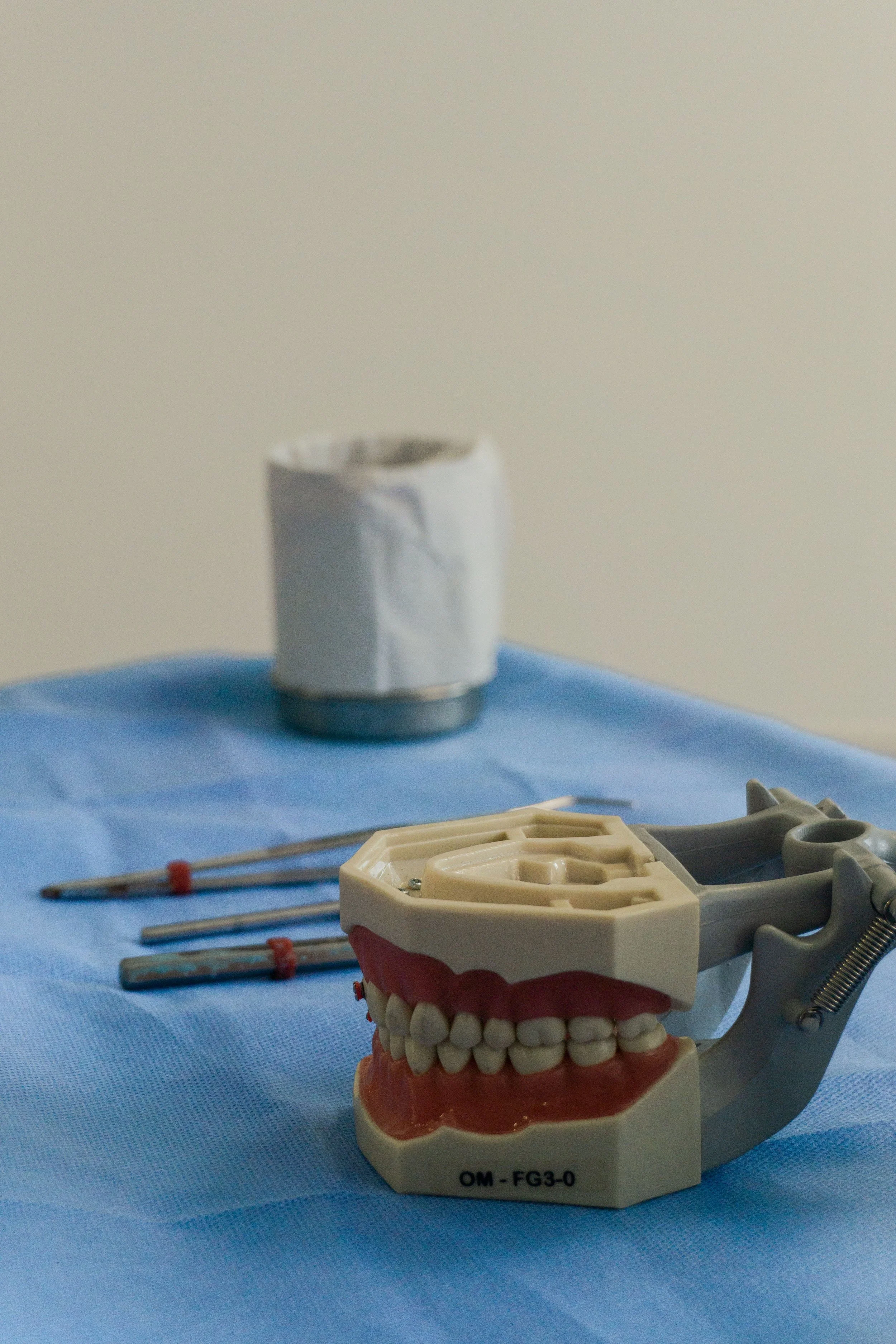
Read MoreThe teeth seem to topple off the end of the sentence. If you read the sentence out loud you fall more heavily on really came to me. Then the sentence starts
Read MoreEmily Dickinson’s line, ‘The Gambrels of the Sky’ soars imperiously upwards, pushing up from the ‘leg’ of the gambrels — the ‘jamb’ the French say — the hip of the house where the sloping roof meets the side…
Read More‘the dearest freshness deep down things’ says Gerard Manley Hopkins. He meant the patterns within leaves that hold them together; the architecture of the atomic and subatomic world…
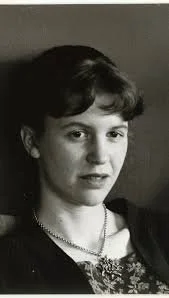
Read MoreThe young writer, Sylvia Plath, is, like many teenagers overflowing with a heightened sense of now. ‘Now, now is the perfect time of my life.’ ‘Now’ is the magical present brimming with possibility…
Read MoreThe implication is that her speaker would prefer twice as much money and half as much husband…
Read MoreIt is surprising how few writers know how to finish a sentence well. George Orwell’s sentences usually end quite firmly, with something quite definite, usually a concrete noun…
Read MoreSomehow, I always come back to Time: time passing, time holding you back, time tying you in knots. ‘O Time, thou art too hard a knot for me to untie!’ Viola. Twelfth Night. Time: how to manage it?
Read MoreThere is a prevailing myth that Sylvia Plath is a poet of confession. Far from it. She is a poet of evasion and effacement…
Read MorePoor George Bowling has had a shock. He has returned to his childhood haunts of Lower Binfield — the ‘bin’ part is important — and found nothing as he left it. Shock is a passing emotion but it’s also timeless…
Read MoreSometimes the only way to survive life is to dismiss the things you cannot comprehend. Shetland poet Roseanne Watt’s line is a dismissal of what once was, the speaker’s former self. It is a strange self locked into a strange poem. ‘See, I was brought here by storms,’ she tells us…
Read MoreI spend a lot of time trying to show students how to create dynamic transition sentences: sentences with confidence and precision, with some direction. Sentences that know why they are going and where they are going…
Read MoreI expect Ms. Atkinson had that sort of childhood too. Aren’t all childhoods a mix of rough and tumble and bitter-sweet? Ginger cordial; bitter lemonade; strawberries denied any sugar…
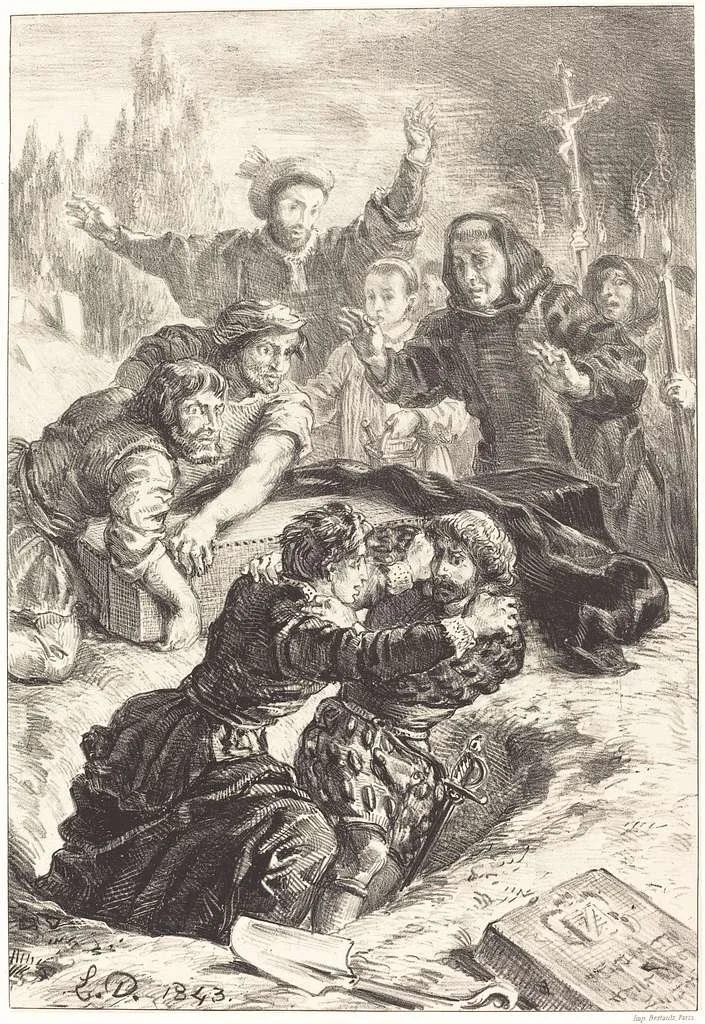
Read MoreHamlet’s ‘I loved Ophelia’ hits hard because it comes as an angry defence to the suggestion that he did not. The line springs out at us as a body from a grave; a maimed lion roaring back to life; back to wounded feeling…
Read More