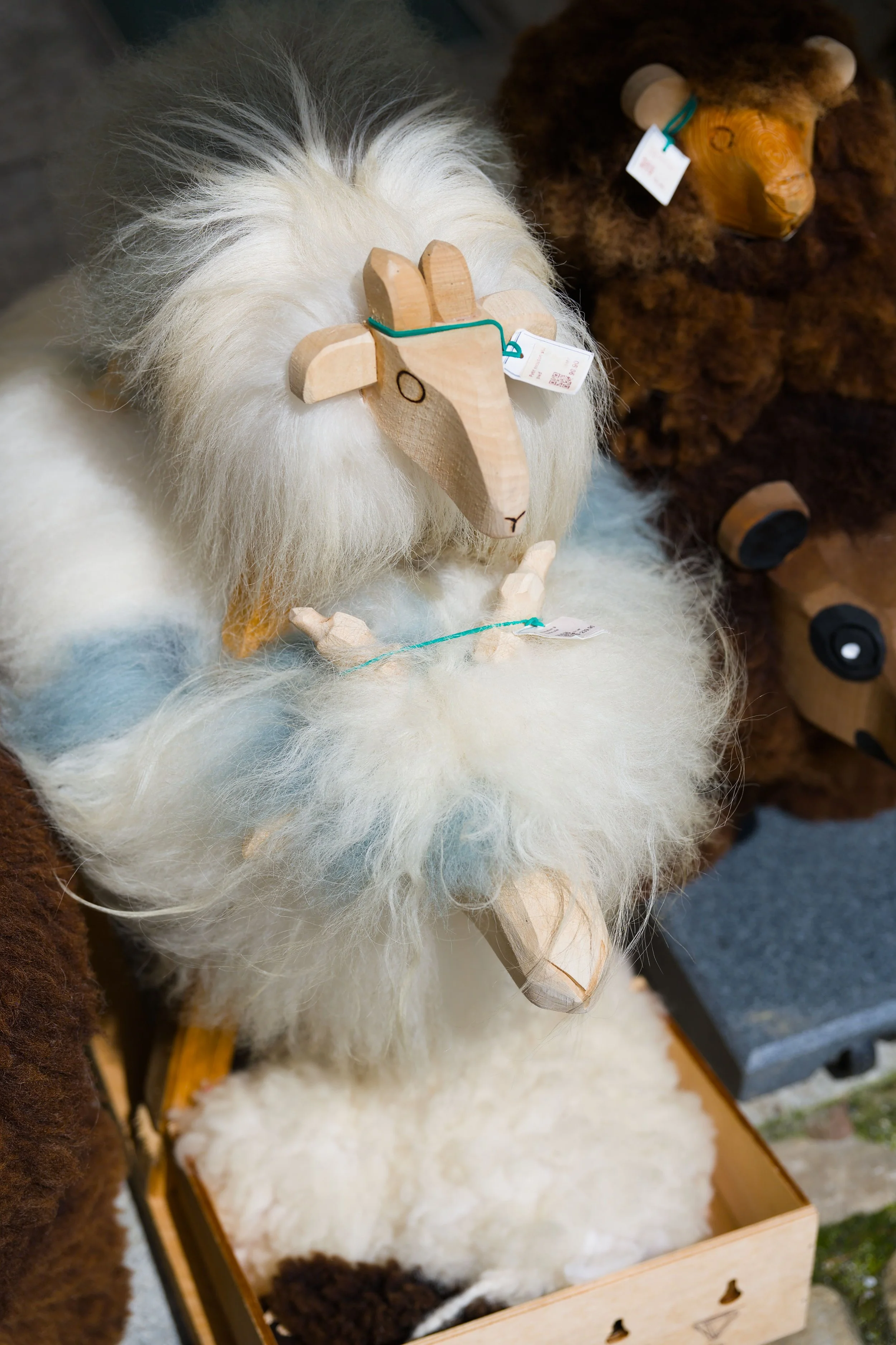
it is my primal scene as a writer because I am still stuck there: stuck with Alice in the wool shop with the White Queen who has turned into a sheep who is bleating…
Read More
it is my primal scene as a writer because I am still stuck there: stuck with Alice in the wool shop with the White Queen who has turned into a sheep who is bleating…
Read MoreThose two bottles in the centre of the sentence are a mother and child. They are so perfectly neat, inseparable, identical, a union of two forms. Say it out loud….
Read MoreArt is rarely right; it is built upon mistakes, trials and errors, crossings-out, doubt and uncertainty. No reaching after irritable fact and reason as Keats put it in his famous definition of negative capability…
Read MoreEmily Dickinson’s line, ‘The Gambrels of the Sky’ soars imperiously upwards, pushing up from the ‘leg’ of the gambrels — the ‘jamb’ the French say — the hip of the house where the sloping roof meets the side…
Read More‘the dearest freshness deep down things’ says Gerard Manley Hopkins. He meant the patterns within leaves that hold them together; the architecture of the atomic and subatomic world…
Read MoreThe implication is that her speaker would prefer twice as much money and half as much husband…
Read MoreSomehow, I always come back to Time: time passing, time holding you back, time tying you in knots. ‘O Time, thou art too hard a knot for me to untie!’ Viola. Twelfth Night. Time: how to manage it?
Read MorePoor George Bowling has had a shock. He has returned to his childhood haunts of Lower Binfield — the ‘bin’ part is important — and found nothing as he left it. Shock is a passing emotion but it’s also timeless…
Read MoreSometimes the only way to survive life is to dismiss the things you cannot comprehend. Shetland poet Roseanne Watt’s line is a dismissal of what once was, the speaker’s former self. It is a strange self locked into a strange poem. ‘See, I was brought here by storms,’ she tells us…
Read MoreI spend a lot of time trying to show students how to create dynamic transition sentences: sentences with confidence and precision, with some direction. Sentences that know why they are going and where they are going…
Read MoreI expect Ms. Atkinson had that sort of childhood too. Aren’t all childhoods a mix of rough and tumble and bitter-sweet? Ginger cordial; bitter lemonade; strawberries denied any sugar…
Read MoreThis is an aftermath statement which follows on from a devastating domestic fire. ‘Aftermath’ isn’t the word the narrator, Ruby Lennox, uses, but it’s what she means…
Read MoreThis emotional outburst of a line comes towards the end of Sylvia Plath’s ‘The Moon and the Yew Tree,’ a poem which dramatises a carefully released, carefully pacedcry for existential hope…
Read MoreOrwell’s essay has been a relief from thinking about politics. Instead, it has allowed me to imagine small, awkward and absurd things: creatures going about the ungainly business of sex, which is to say spring…
Read MoreI turn to poetry to help sort and arrange my thoughts and feelings. I’m looking for a clear order of feeling and thinking, which comes from excellently formed verse. A strong poem offers an argument, and this stanza, from Ben Morgan’s poem, ‘Eavesdropper’, offers me the sort of clarity…
Read MoreThis sentence, from Henry Fielding’s wandering picaresque novel, is English pantomime: pantomime meets a Punch and Judy show. Poor Molly Seagrim has been accosted by the rough and ready Goody Brown, who is quite ready for a bloody battle…
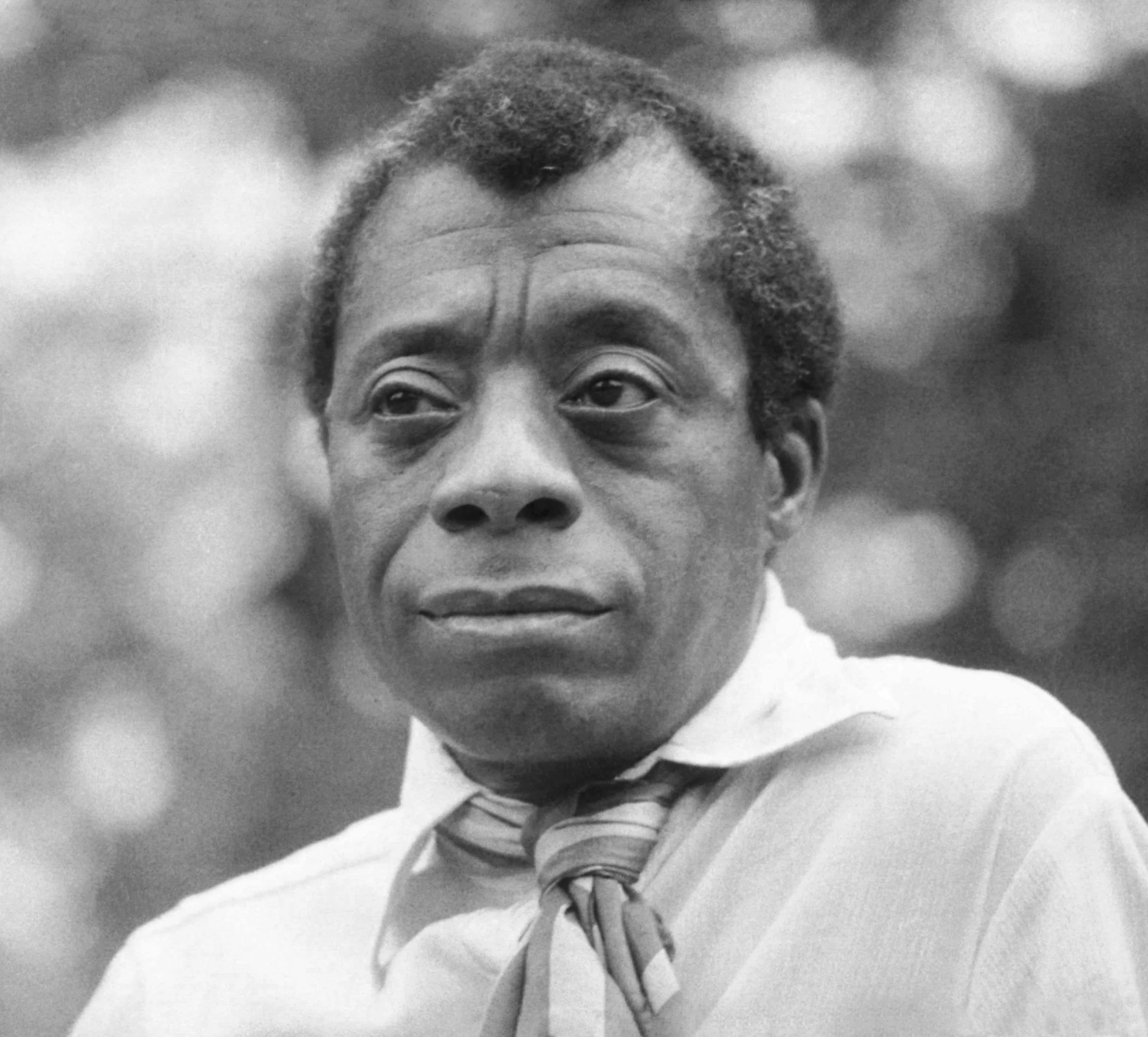
Read MoreRecently, I’ve been reading and teaching the essays of James Baldwin. I find myself once again moved, transported, by Baldwin’s rhetoric. I slip into the stream of his argument, what seems to be the flow of his consciousness…
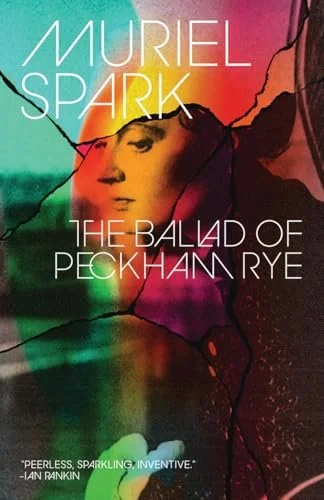
Read MoreThere is a hilarious moment in Spark’s 1960 novel, The Ballad of Peckham Rye, when the popularity of the charismatic central character, Dougal Douglas, is discussed by several other characters. It is an impromptu symposium on Dougal’s likeability that feels very contemporary…
Read MoreIt isn’t true that men aren’t moved by flowers. D.H. Lawrence gushed over flowers and the sentence above, delivered from the point of view of Captain Hepburn in Lawrence’s novella…
Read MoreWhy do I find George Eliot’s prose so reassuring? Because her narrator stands right beside us peering over our shoulder. Because we can hear her knowledge of her characters breathing down our neck…
Read More